
RJ45 Keystone Jack vs Coupler: Which One Should You Use for an Ethernet Wall Plate?
Share
When you are finishing an Ethernet wall plate, one small choice can change how the install works: should you use an RJ45 keystone jack or an RJ45 coupler?
Both parts can fit into a keystone-style wall plate. Both are used for Ethernet wiring. But they are not the same part, and they are best for different jobs.
What is an RJ45 keystone jack?
An RJ45 keystone jack is usually used when Ethernet cable is being terminated at the wall. The cable comes from inside the wall, then the installer punches the conductors down into the jack. The front side gives you the RJ45 Ethernet port where a patch cable plugs in.
This is a common choice for structured cabling, home office drops, office wiring, and cleaner permanent network runs. It is also the wording most buyers use when they are looking for an Ethernet jack that snaps into a wall plate or patch panel.
What is an RJ45 coupler?
An RJ45 coupler is a pass-through connector. Instead of punching cable down into the back, you plug an Ethernet cable into one side and another Ethernet cable into the other side. In wall plate use, the coupler lets you pass a finished cable through the plate in a clean way.
Couplers are useful when the cable already has a plug attached, or when the job needs a quick pass-through connection instead of a punch-down termination.
When to choose a keystone jack
Choose an RJ45 keystone jack when you are wiring a permanent Ethernet drop and want a clean, standard termination at the wall.
- Best for new in-wall Ethernet cable runs
- Good for structured wiring and office cabling
- Works well with patch panels and wall plates
- Cleaner choice for long-term network drops
For a wall plate that combines Ethernet and coax in one finished location, see the R.J. Enterprises Ethernet + coax wall plate bundles.
When to choose a coupler
Choose an RJ45 coupler when you already have terminated Ethernet cables and want a simple female-to-female connection through the wall plate.
- Best for pass-through installs
- No punch-down termination needed
- Useful when using pre-terminated patch cables
- Good for quick swaps, remodels, or temporary setups
What about Cat6, Cat6A, and shielded options?
Match the wall plate part to the cable and environment. Cat6 is a good fit for many home and office installs. Cat6A is often chosen for higher-performance runs, 10Gbps planning, or commercial wiring. Shielded options can help in high-interference areas, network rooms, or installs near electrical noise.
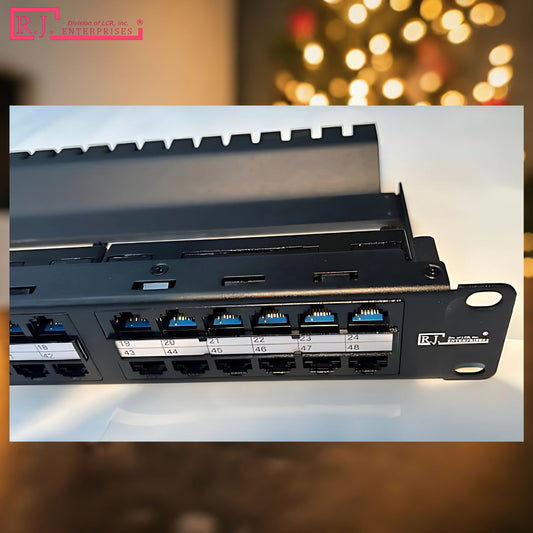
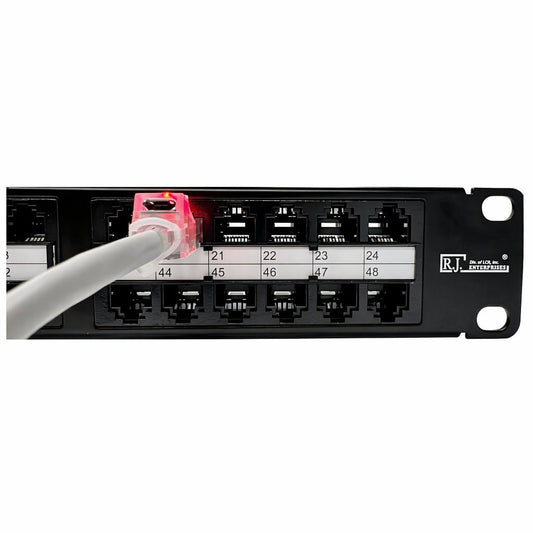
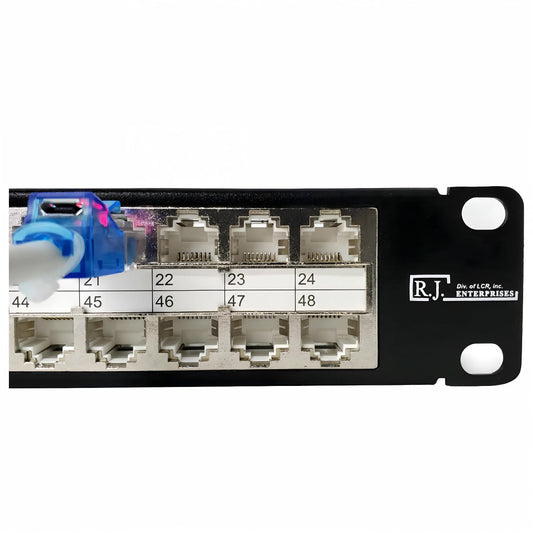
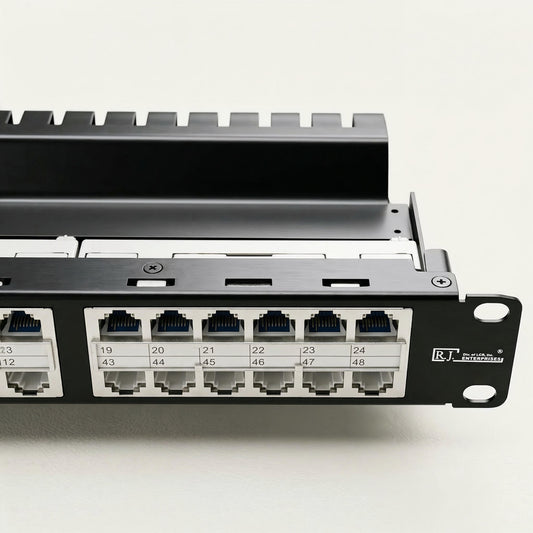
For rack-side terminations, pair wall plate work with the R.J. Enterprises patch panel collection.
Simple rule
If you are terminating raw Ethernet cable at the wall, choose an RJ45 keystone jack. If you are connecting two finished Ethernet cables through the wall plate, choose an RJ45 coupler.
Either way, the goal is the same: a cleaner, easier-to-use network connection where the cable drop actually ends.