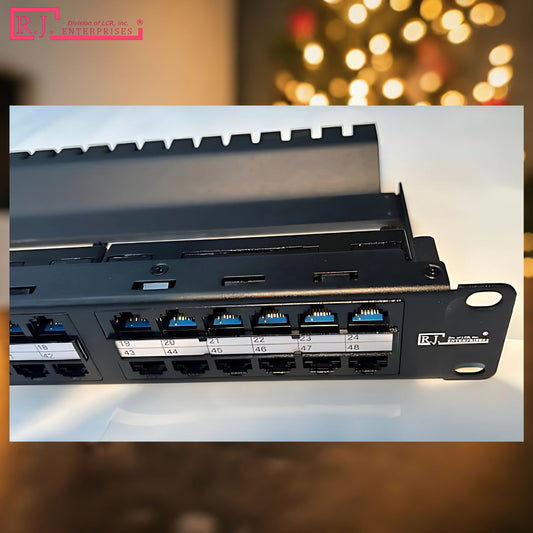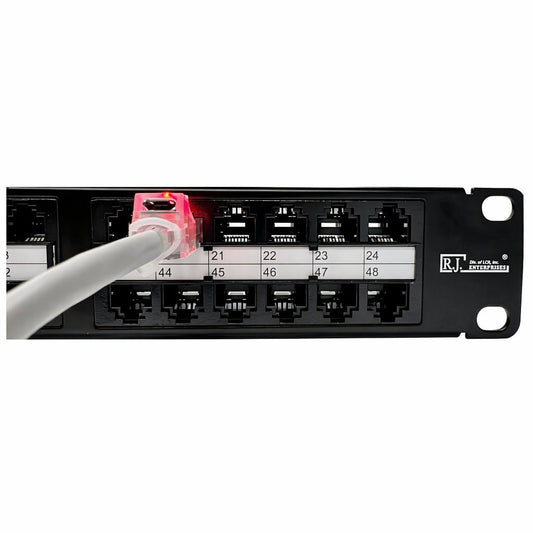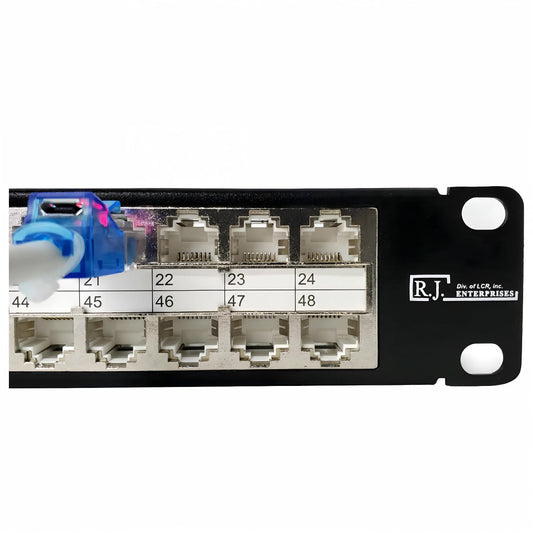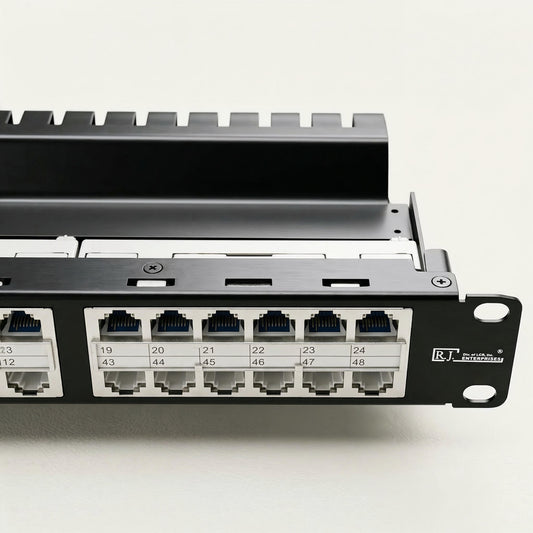
Keystone Jack Infographic
Keystone Jack Infographic and Selection Guide
A keystone jack is the snap-in connection point used in wall plates, surface boxes, and many patch panels. For Ethernet, the jack is the RJ45 female port where a permanent cable run terminates. It gives the cable a finished endpoint instead of leaving a loose cable end in the wall or rack.
Keystone jacks are small parts, but choosing the right one matters. Match the jack to the cable category, the environment, and the hardware around it. Cat6 is common for general office and home network drops. Cat6A is often selected when 10Gbps support, better headroom, or more demanding network wiring is needed. Shielded jacks are useful only when the cable and installation are also built around shielding.
Common use cases
- Wall outlets for desks, TVs, access points, and routers.
- Patch panels where each permanent run needs a serviceable RJ45 port.
- Ethernet and coax wall plate bundles for cable modem or media locations.
- PoE device wiring where a clean termination helps with maintenance.
- High-interference areas where shielded parts may be required.
Installation notes
Keep the cable twists close to the termination point, avoid tight bends, and use the wiring pattern required by the project. A clean termination is easier to test and less likely to create intermittent network problems later. If a jack is mounted in a wall plate, make sure the plate and low-voltage bracket give the cable enough room behind the wall.
For room-facing outlets, see R.J. Enterprises Keystone Jacks + Coax Wall Plate Bundles. For rack-facing terminations, browse patch panels.


Related guides
Read more about RJ45 connectors, Ethernet coax wall plates, PoE wiring, and network cabling infographics.