RJ45 Connectors Infographic
RJ45 Connectors Infographic and Ethernet Parts Guide
RJ45 is the common name people use for Ethernet plugs and jacks. The physical connector is often described as 8P8C, meaning eight positions and eight contacts. In everyday network work, RJ45 usually refers to the plug, jack, or port used for Ethernet cable.
For shoppers, the important question is not only “Do I need RJ45?” It is which RJ45-style part fits the job: a plug, a keystone jack, a coupler, a patch panel port, or a dust cover. Each part has a different role in the cable path.
Common RJ45 part types
- RJ45 plugs terminate patch cables and some direct field connections.
- RJ45 keystone jacks snap into wall plates, surface boxes, and patch panels.
- Couplers join two patch cords or create pass-through connections.
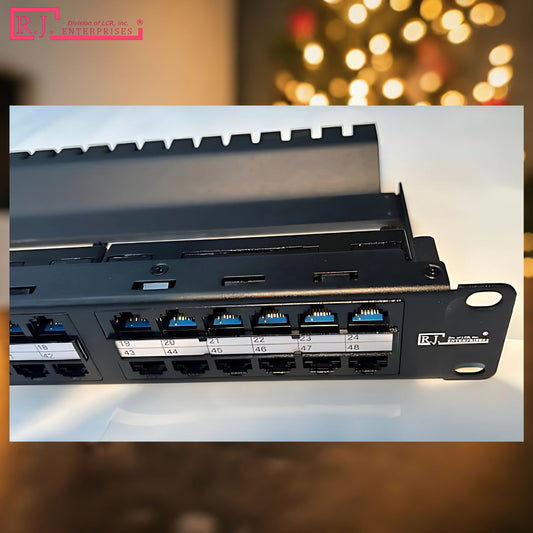
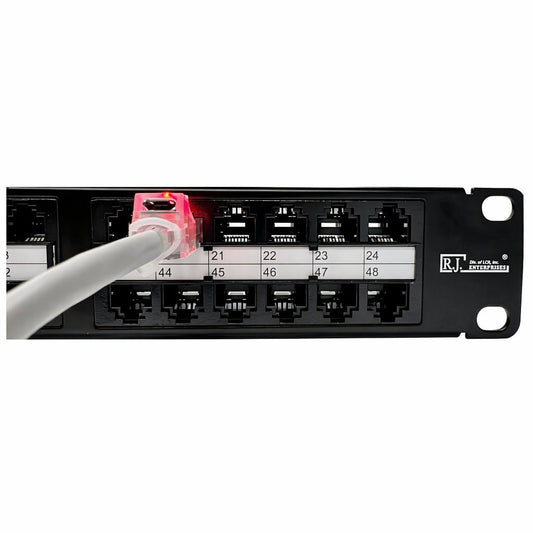
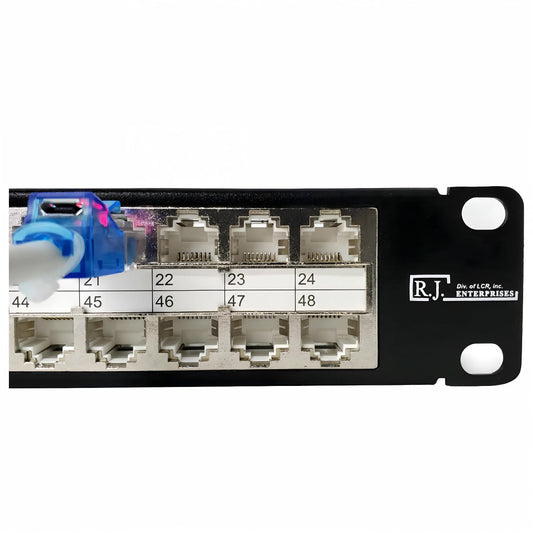
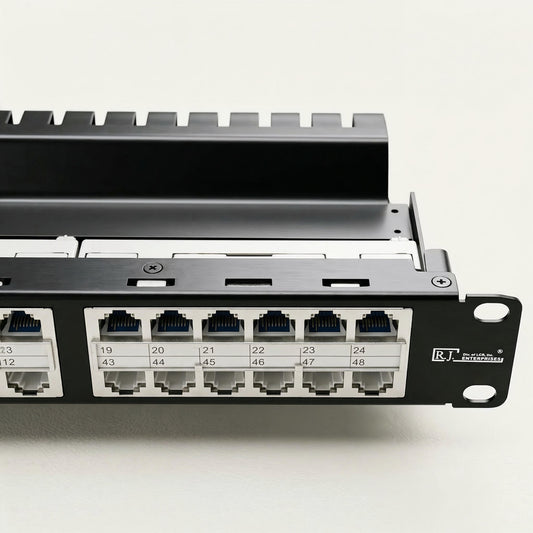
- Patch panels organize many RJ45 ports in a rack or telecom room.
- RJ45 dust covers protect unused switch, patch panel, and wall plate ports.
Match the part to the cable
Cat5e, Cat6, and Cat6A parts should match the cable category and the expected network performance. Cat6A parts are often selected for higher-speed or longer-headroom installations. Shielded parts should be used only when the cable and system are also designed for shielding; a single shielded part does not create a complete shielded installation by itself.
If unused ports are exposed in a rack, switch, patch panel, or wall plate, RJ45 dust covers help keep them cleaner between use. For organized rack wiring, browse patch panels. For room-facing Ethernet and coax outlets, see wall plate bundles.


Related guides
Read Keystone Jack, Field Termination Plug, Patch Panel, and Network Cabling Infographics.