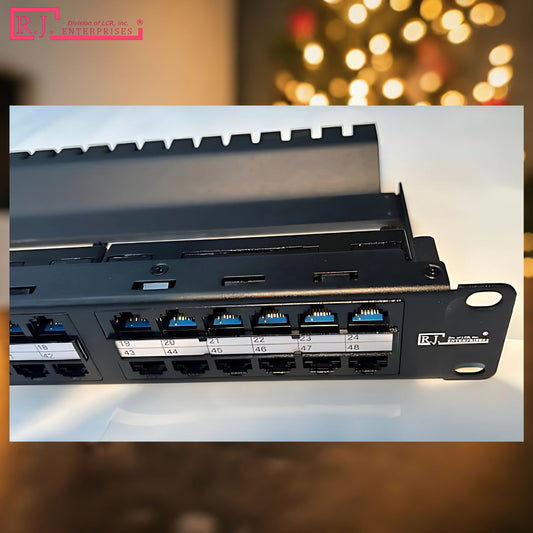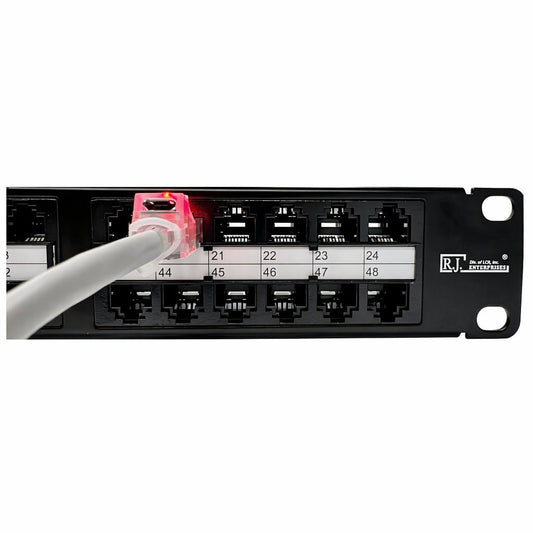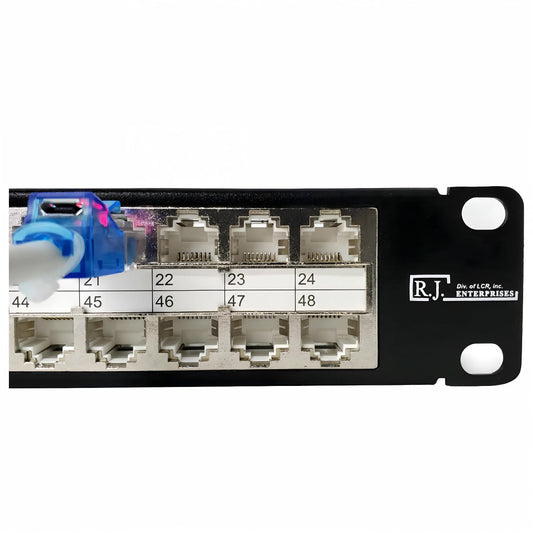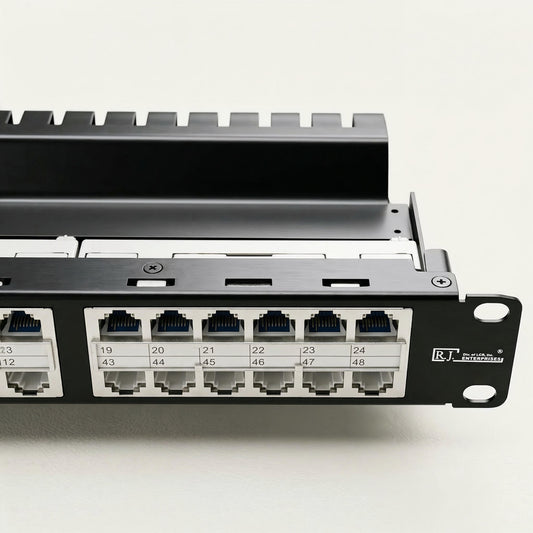
Field Termination Plug Infographic
Field Termination Plug Infographic and Use Guide
A field termination plug is used when an Ethernet cable needs to terminate directly into an RJ45 plug in the field, without a separate wall jack or patch panel port at the device end. They are common near access points, IP cameras, industrial controls, displays, and other equipment mounted away from the rack.
The difference from a basic modular plug is serviceability. Field termination plugs are usually larger, easier to wire on site, and built for a controlled termination. They can be helpful where solid conductor cable needs a reliable endpoint close to a device and a standard patch cable is not the right fit.
When this part makes sense
- Direct connection to an IP camera, wireless access point, or mounted network device.
- Field wiring where a technician needs more room than a small crimp plug allows.
- Projects where the plug must match the cable category and shielding style.
- Locations where a wall plate would be awkward or unnecessary.
- Service points where a controlled termination is easier to inspect later.
When a wall plate or patch panel is better
Use a patch panel when the cable run terminates in a rack or telecom closet. Use a wall plate when the connection needs a clean room-facing outlet. A field termination plug is best for direct device endpoints. Choosing the right endpoint helps reduce strain on the cable and makes future troubleshooting easier.
If you are comparing connector styles, start with the RJ45 connector guide. For rack organization, browse patch panels. For finished room outlets, see wall plate bundles.


Related guides
Continue with PoE, Keystone Jack, and Network Cabling Infographics.