Internet of Things (IoT) Infographic
Internet of Things Infographic and Network Hardware Guide
The Internet of Things connects everyday devices to a network: cameras, sensors, access points, displays, controls, locks, monitoring equipment, and other smart devices. The devices may be small, but the cabling behind them still needs to be planned like a real network.
This guide focuses on the physical parts behind IoT projects. A reliable connected device often depends on a clean Ethernet run, a labeled rack port, a stable RJ45 termination, and the right endpoint near the device. Good cable organization makes the system easier to service after devices are added, moved, or replaced.
Hardware that supports IoT wiring
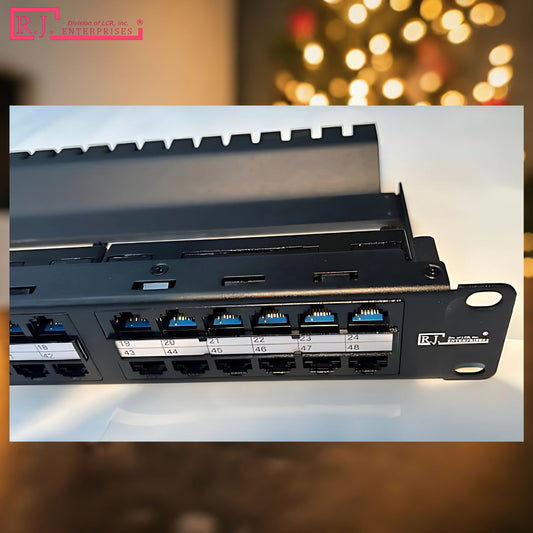
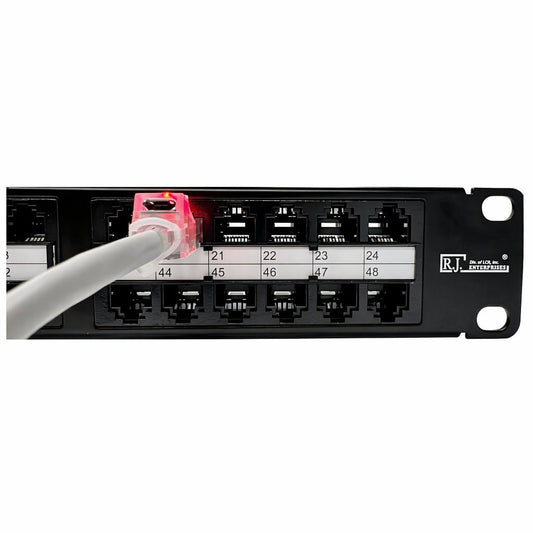
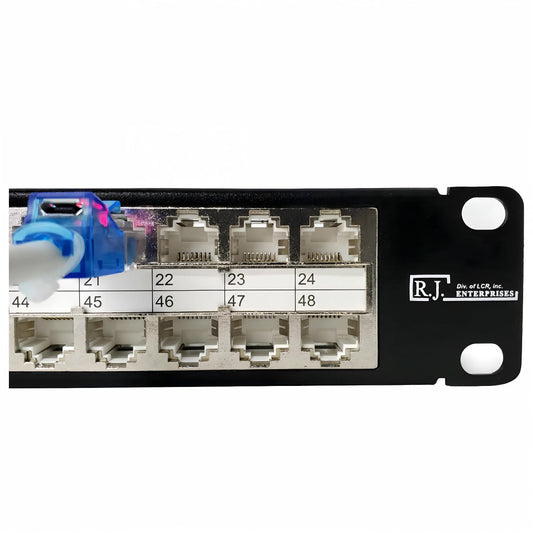
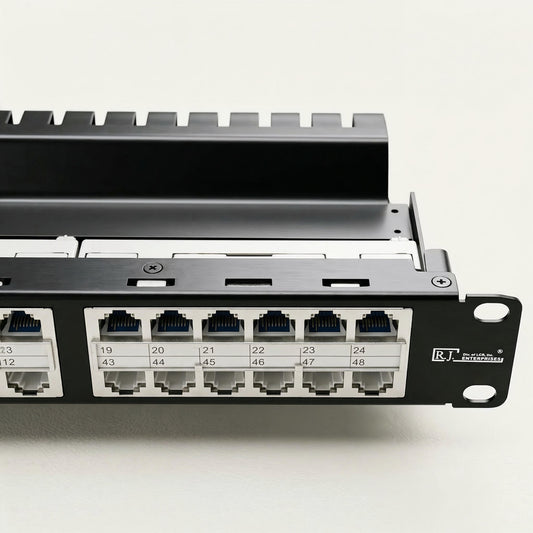
- Patch panels organize device runs in a rack or telecom room.
- Wall plates create cleaner room-facing Ethernet or coax connection points.
- PoE planning matters for cameras, access points, sensors, and controls.
- RJ45 dust covers help protect unused switch and patch panel ports.
- Labels make future troubleshooting faster for facilities and IT teams.
Why labels and ports matter
Many IoT systems grow over time. A building may start with a few cameras or access points, then add sensors, displays, access control, or monitoring devices later. If the original cable runs are labeled and organized, expansion is easier. If the rack is messy, each new device becomes harder to trace and support.
For supporting parts, browse patch panels, Ethernet wall plate bundles, and RJ45 dust covers. R.J. Enterprises sells parts and components; we do not provide installation service.

Related guides
Continue with PoE, Smart Building, Data Center, and Network Cabling Infographics.