Smart Building Infographic
Smart Building Infographic and Structured Cabling Guide
A smart building uses connected systems to monitor, automate, and manage spaces. That can include cameras, wireless access points, sensors, lighting controls, access control, displays, alarms, and other low-voltage devices. The devices may be modern, but the physical network behind them still depends on familiar parts.
Ethernet cable, RJ45 ports, keystone jacks, wall plates, patch panels, labels, and PoE planning all affect how easy the building is to maintain. Good infrastructure lets devices be added or replaced without turning every service call into a cable-tracing project.
Parts commonly used behind smart buildings
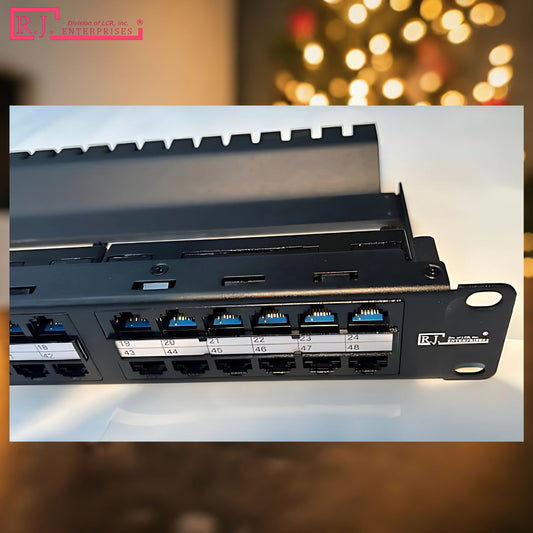
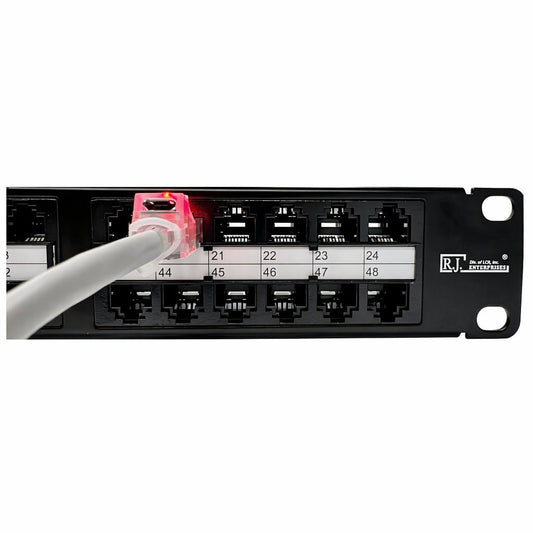
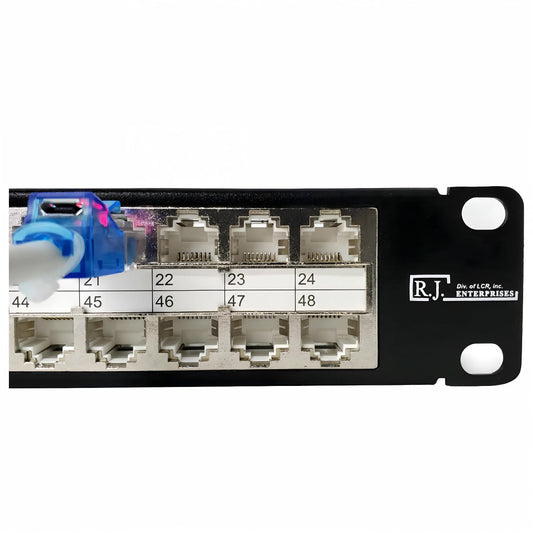
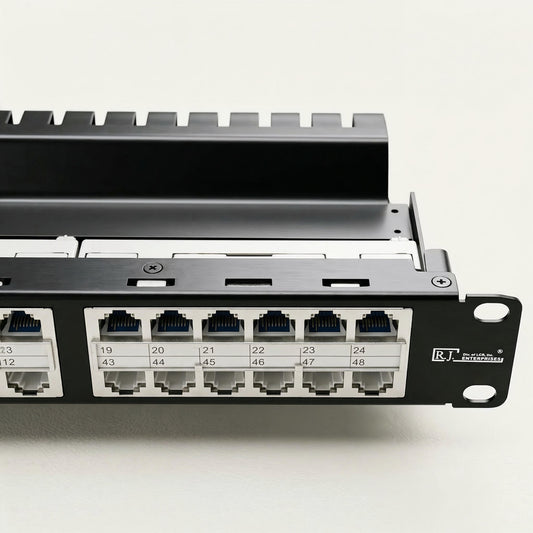
- Patch panels organize device runs in the rack or telecom room.
- Wall plates create cleaner room-facing network and coax connection points.
- PoE planning matters for cameras, access points, and sensors.
- RJ45 dust covers protect unused ports in equipment areas.
- Labels help facilities and IT teams identify device locations quickly.
Planning for future changes
Smart building networks usually change over time. New devices are added, rooms are rearranged, and equipment gets replaced. A clear patch panel layout and labeled wall outlets make those changes easier. They also make it easier to separate a cabling problem from a device, switch, or power issue.
For the physical parts behind smart building networks, see patch panels, wall plate bundles, and RJ45 dust covers. R.J. Enterprises sells parts and components, not installation service.

Related guides
Read IoT, PoE, Data Center, and Network Cabling Infographics.